
 07520 641447


Mobile App Development Technologies: How to Choose the Right One for Your Business
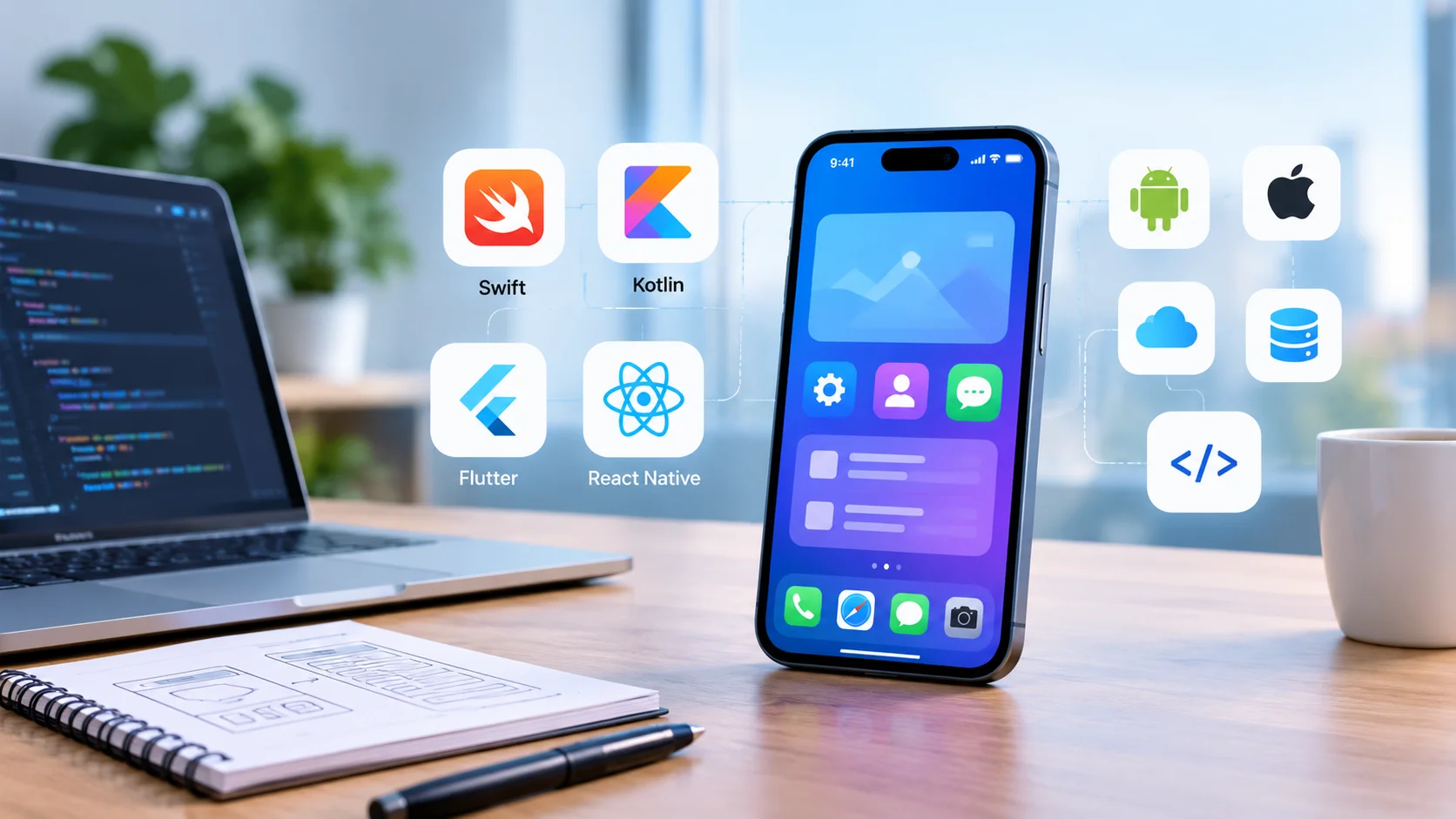
A mobile app can support customer services, internal operations, payments, communication, or an entirely new digital product. The technology behind it affects how those features work across devices, how the app connects with other systems, and how easy it is to maintain as requirements change. This makes technology selection an important part of planning app development for business.
Businesses can choose from native technologies such as Swift and Kotlin or cross-platform options such as Flutter and React Native. The right approach depends on factors such as target platforms, app complexity, device features, budget, integrations, and future requirements.
This mobile app development guide explains the key technologies used for modern apps and the factors businesses should consider when comparing them. Vrinsoft UK provides mobile app development services in UK for businesses that need help assessing their requirements and selecting a suitable technology.
What Are Mobile App Development Technologies?
Mobile App Development Technologies include the programming languages, frameworks, tools, and platforms used to build applications for smartphones and tablets. They influence how an app runs across devices and how developers add features such as payments, notifications, location services, cameras, and third-party integrations.
Businesses generally consider native development for platform-specific apps or cross-platform frameworks when they need iOS and Android support from shared code. Some projects may also involve developing mobile apps with web technologies, particularly when web and mobile products need to work together.
Selecting a suitable mobile applications development platform therefore requires consideration of the app’s features, target users, integrations, budget, and long-term requirements.
Native vs Cross-Platform App Development
The first major decision in mobile app development is whether to build separately for each operating system or use a shared development approach. Native development uses platform-specific technologies such as Swift for iOS and Kotlin for Android.
Cross-platform development uses frameworks such as Flutter or React Native to support multiple platforms with shared code. Each approach can suit different business requirements, so the decision should be based on the app’s functionality and target audience.
| Factor | Native Development | Cross-Platform Development |
|---|---|---|
| Platforms | Built specifically for iOS or Android | Supports multiple platforms |
| Codebase | Separate code for each platform | Shared code across platforms |
| Device features | Strong access to platform-specific features | Access depends on framework support |
| Development cost | Can increase when building for both platforms | Can reduce duplicated development work |
| Best suited for | Highly specialized or platform-focused apps | Many business and customer-facing apps |
Popular Technologies for Mobile App Development
Businesses have several technology options when planning mobile application development in android and iOS. The most suitable option depends on the required platforms, app functionality, development resources, and future plans.
-
Swift and SwiftUI
For iOS products, Swift is Apple’s programming language, while SwiftUI provides a modern approach to building interfaces across Apple platforms. This combination can suit businesses creating iPhone and iPad applications that rely heavily on Apple-specific capabilities.
-
Kotlin and Jetpack Compose
On Android, Kotlin is widely used for application development, with Jetpack Compose providing a modern toolkit for creating Android interfaces. This approach can suit applications that need close access to Android features and services.
-
Flutter
When a business needs applications for multiple platforms, Flutter supports development from a shared codebase. It can be considered when a business wants to build for both iOS and Android while reducing duplicated development work.
-
React Native
For teams familiar with React, React Native allows developers to build mobile applications while sharing code between platforms. It can be a practical option for businesses that already use web technologies or need applications for both Android and iOS.
Factors to Consider When Choosing a Mobile App Technology
The technology that works for one business may not suit another, even when both need iOS and Android applications. Several project-specific factors can affect the decision, from the features users need to the systems the app must connect with.
Target Platforms
Your target audience should be one of the first considerations. A business serving mainly iPhone users may have different requirements from one targeting a broad Android and iOS audience. The choice can also affect development resources and ongoing maintenance.
- iOS-focused products may suit native development.
- Android products can use Kotlin-based development.
- Both platforms can use Flutter or React Native.
- Future platform expansion should also be considered.
App Complexity
The number and type of features can affect which technology is suitable. A basic booking app has different technical requirements from an application using real-time data, advanced device capabilities, or intensive processing.
- Simple apps may work well with cross-platform technologies.
- Advanced device features may favour native development.
- Real-time functionality can require stronger performance.
- Data-heavy applications may need specialised planning.
Integrations
Most business applications need to communicate with other software or services. Payment gateways, CRM systems, ERP platforms, cloud services, maps, authentication tools, and analytics can influence the technical requirements from the beginning.
- Check whether required APIs support your technology.
- Consider payment and authentication requirements.
- Review existing backend and cloud infrastructure.
- Plan for future third-party integrations.
Budget and Development Time
The available budget and expected launch date can also affect the development approach. Building separate applications for iOS and Android can require more development resources, while shared-code approaches can reduce duplicated work in suitable projects.
- Account for development and testing costs.
- Include ongoing maintenance in the budget.
- Consider the expected launch timeframe.
- Allow room for future feature development.
Future Requirements
Technology decisions should account for what the product may need after its first release. User growth, new features, additional platforms, AI capabilities, and ongoing updates can all affect whether a technology remains suitable over time.
- Consider expected user growth.
- Plan for future feature additions.
- Assess requirements for new platforms.
- Check the framework’s long-term support.
Also Read: A Complete Guide Mobile App Development for Businesses
Which Mobile App Development Approach Fits Your Business?
Different business goals can call for different development approaches. A startup testing a new product may have different priorities from an established company building an application with advanced device features. Looking at the intended use case can make the technology decision more practical.
Native Development for Platform-Specific Apps
Businesses that depend heavily on the capabilities of a particular operating system may benefit from native development. Swift and SwiftUI can support iOS products, while Kotlin and Jetpack Compose are widely used for Android applications.
- Useful for advanced device capabilities.
- Supports platform-specific functionality.
- Provides direct access to native APIs.
- Can suit performance-intensive applications.
Cross-Platform Development for Multiple Devices
Businesses targeting Android and iOS can consider cross-platform technologies such as Flutter and React Native. A shared codebase can reduce duplicated development work while allowing the application to serve users across multiple platforms.
- Supports both major mobile platforms.
- Can reduce duplicated development work.
- Suitable for many customer-facing apps.
- Can support faster releases across platforms.
Web Technologies for Connected Digital Products
Some businesses need their mobile product to work closely with an existing website or web application. In these cases, web and mobile app development can be planned together so that the mobile experience connects effectively with existing systems and services.
- Useful for businesses with existing web products.
- Can connect with shared backend services.
- Supports consistent business data across platforms.
- Helps align web and mobile product requirements.
Security, Performance and Maintenance Considerations
A technology decision also affects what happens after the initial app is released. Security requirements, performance expectations, testing needs, and future updates should be considered when selecting a development approach. For apps handling customer information, payments, business data, or sensitive transactions, these factors can directly influence whether native or cross-platform development is more suitable.
- Security requirements: Native development can provide direct access to platform security features, while cross-platform apps need compatible security libraries and integrations.
- Performance needs: Native technologies may suit apps requiring intensive processing, while Flutter or React Native can support the performance needs of many business apps.
- Testing requirements: Cross-platform development can reduce duplicated code, but apps still need testing across different devices and operating systems.
- Maintenance needs: A shared codebase can simplify updates across platforms, while native apps require platform-specific maintenance.
- Scalability: The selected technology should support growing users, data volumes, integrations, and future features without creating unnecessary technical limitations.
- Compliance: Apps with strict privacy or regulatory requirements may benefit from technologies that provide the required platform-level security and data controls.
Common Mistakes When Selecting App Development Technology
Technology selection can become difficult when businesses focus on the framework before defining what the application needs to achieve. A popular technology may work well for one product while creating unnecessary limitations for another. Looking at the complete project requirements helps businesses make a more informed decision.
- A widely used framework may not suit your app’s specific requirements, so popularity alone should not drive the decision.
- Lower development costs can lead to higher maintenance expenses when the technology is poorly suited to the project.
- iOS and Android have different technical requirements that can affect the most suitable development approach.
- Existing APIs, payment systems, cloud services, and business software should be assessed before development begins.
- New features, user growth, AI capabilities, and additional platforms can affect long-term technology suitability.
- Developer experience, testing, backend architecture, security, and ongoing support also influence the final technology decision.
Integration and AI Considerations
Modern mobile applications often need to connect with existing business systems while supporting AI-powered features. These requirements can affect the technology used for development because different frameworks and platforms provide different levels of support for APIs, SDKs, device capabilities, and external services. Considering these needs early can help prevent technical limitations later.
- Payment gateways, CRM systems, ERP software, and cloud services should be checked for compatibility with the selected technology.
- Apps that depend on device-specific AI capabilities may benefit from native technologies such as Swift or Kotlin.
- Cross-platform frameworks can support many AI features through APIs, plugins, and third-party services.
- Real-time AI features such as voice processing, image recognition, and recommendations may require additional backend infrastructure.
- Existing web applications and APIs should be assessed when planning web and mobile app development.
- Future AI features should be considered before selecting a technology to avoid costly changes during later development.
Conclusion
Mobile app technology can influence development costs, performance, platform support, security, integrations, and future updates. Native options such as Swift and Kotlin can suit platform-specific requirements, while Flutter and React Native can support businesses targeting multiple platforms through shared development.
The right decision should come from your app’s features, target users, integration needs, AI requirements, budget, and long-term plans. Reviewing these factors before development can help create a stronger technical foundation for your product.
If you are planning a mobile app for your business, Vrinsoft UK provides mobile app development services in UK to help you assess your requirements and select a suitable technology for your project. Contact us to discuss your mobile app idea with our team.
FAQs
Is a Progressive Web App a good alternative to a native mobile app?
A PWA suits businesses wanting app-like features on a lower budget. It skips app store approval, though it offers fewer device-level capabilities compared to a native app.
How much does it cost to build a mobile app in the UK?
A basic MVP typically costs between £15,000 and £40,000 in the UK. Costs rise with native development, complex integrations, and advanced device features like AI or offline sync.
Does UK GDPR affect mobile app technology choices?
Yes. Apps handling customer data need compliant encryption, secure storage, and clear consent flows. Some frameworks offer stronger built-in compliance support, which affects which technology fits best.
How do I decide between native and cross-platform development?
Base the decision on target platforms, budget, and required device features. Cross-platform suits most business apps, while native suits apps needing advanced or platform-specific capabilities.
What are common use cases for on-device AI in business apps?
Common use cases include offline voice processing, on-device fraud detection, and real-time image recognition. These features work without an internet connection and keep data more secure.
Recent Posts
-
Mobile App Development Technologies: How to Choose the Right One for Your Business
-

Top 10 Best AI Development Companies in the UK in 2027
-

Website Development Cost in the UK: What Should Businesses Budget in 2026?
-

How to Choose the Right Website Development Company in the UK: 10 Things Businesses Should Check Before Hiring
-
Mobile App Development for Businesses in 2026: A Complete Guide to Building a Successful App